One of the most revealing questions I ask patients is surprisingly simple:
“What foods do you naturally crave, and how do you prefer them prepared?”
Not because there is one perfect diet for everyone — but because appetite, cravings, temperature preference, and even cooking style can offer important insight into how the body is functioning.
In Traditional Chinese Medicine (TCM), digestion is not viewed as a passive process. The body is constantly transforming food into energy, blood, fluids, warmth, and nourishment. The way we respond to food can reflect deeper patterns within the nervous system, metabolism, circulation, and overall constitutional balance.
Food preference is not random. It often reflects what the body is trying to seek out — or compensate for.
Why Preparation Matters
The same ingredient can affect the body very differently depending on how it is prepared.
For example:
- A cold raw salad affects the digestive system differently than slow-cooked vegetables
- Roasted foods create warmth and dryness
- Stewed foods are often more nourishing and easier to digest
- BBQ and heavily charred foods create more heat and stimulation
- Fresh foods can feel cleansing and cooling
- Baked foods tend to be grounding and comforting
In TCM, food carries energetic qualities beyond calories or nutrients alone.
Common Food Preferences & What They May Reflect
People Who Prefer Warm, Cooked Foods
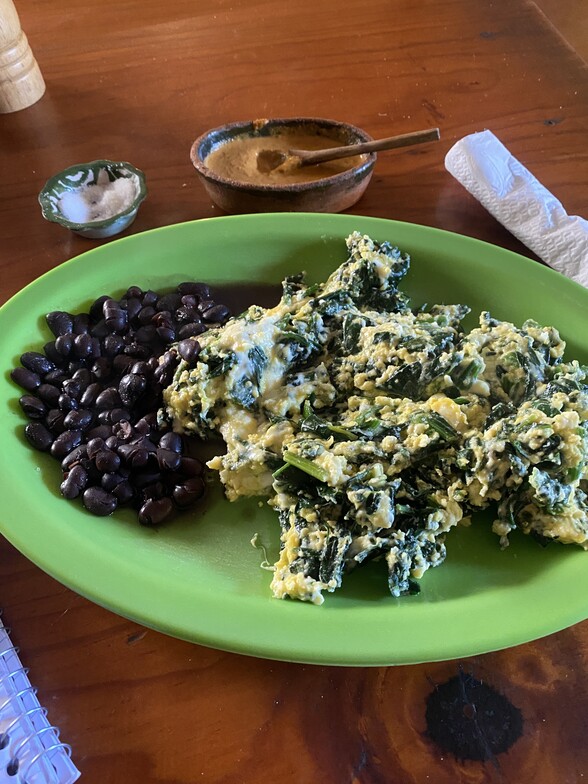
Soups, stews, roasted vegetables, broths, baked root vegetables, slow-cooked meals.
These individuals often feel better with warmth, routine, and stable nourishment. Their systems may be more sensitive to cold, stress, overwork, or irregular eating.
Warm cooked foods:
- support digestion
- reduce digestive strain
- improve circulation
- help regulate the nervous system
- are often easier to absorb during periods of depletion, postpartum recovery, burnout, or chronic stress
Many people with fatigue, bloating, loose stool, anxiety, or hormonal depletion instinctively gravitate toward cooked foods because the body perceives them as safer and easier to process.
People Who Crave Fresh or Raw Foods
Fresh fruit, smoothies, salads, cold drinks, crisp vegetables.
This preference can sometimes reflect:
- internal heat
- inflammation
- overstimulation
- stress activation
- feeling “hot” or restless internally
Fresh foods can be deeply supportive in the right constitution and season, especially during warmer months or periods of excess heat.
However, in some people — particularly those who are depleted, chronically anxious, postpartum, exhausted, or prone to digestive weakness — excessive raw or cold foods may worsen bloating, loose stools, fatigue, or hormonal dysregulation.
The goal is not restriction. It is understanding proportion and context.
People Who Prefer BBQ, Grilled, or Highly Spiced Foods
Charred meats, smoked foods, spicy foods, heavily seasoned dishes.
These foods tend to be:
- warming
- stimulating
- activating
- drying
Some individuals naturally seek intensity because their nervous system is under-stimulated or stagnant. Others crave stimulation because they are already stressed and running on adrenaline.
While grilled and spicy foods can absolutely be enjoyed, excess heat and dryness may aggravate:
- inflammation
- acid reflux
- headaches
- irritability
- skin conditions
- night sweats
- hormonal irritability
Balance becomes important here.
People Who Love Stews, Congee, Broths & Slow-Cooked Meals
This is often one of the most therapeutic styles of eating in Chinese medicine.
Slow-cooked foods are:
- gentle on digestion
- hydrating
- grounding
- nourishing to blood and fluids
- supportive during recovery and hormonal rebuilding
These foods are traditionally emphasized during:
- pregnancy
- postpartum
- illness recovery
- periods of exhaustion
- chronic depletion
- high stress states
There is a reason nearly every traditional culture developed some version of broth, porridge, soup, or long-cooked nourishment.
Your Body Often Tells You What It Needs
Cravings are not always “bad.”
Sometimes they are information.
The body may crave:
- warmth when depleted
- hydration when overheated
- grounding foods during stress
- mineral-rich foods when deficient
- easy-to-digest meals when overwhelmed
That said, cravings can also become distorted under chronic stress, blood sugar instability, sleep deprivation, or nervous system dysregulation.
Part of healing is learning the difference between:
- true nourishment
- stimulation
- emotional soothing
- depletion-driven cravings
The Goal Is Regulation — Not Perfection
In modern wellness culture, food is often treated as a moral issue.
TCM takes a different approach.
Rather than asking:
“Is this food good or bad?”
We ask:
- How does this food affect your body?
- Does it leave you feeling more stable or more depleted?
- Warmer or colder?
- Grounded or overstimulated?
- Clearer or more inflamed?
The best diet is rarely the most restrictive.
It is the one your body can consistently digest, absorb, and regulate through.
Final Thoughts
One person thrives on fresh salads and smoothies.
Another feels dramatically better eating soups, rice, root vegetables, and warm cooked meals.
Neither is universally correct.
Your appetite, cravings, and cooking preferences are often clues about your internal balance — especially when viewed alongside digestion, energy, sleep, stress, hormones, circulation, and overall constitution.
Sometimes healing begins with paying attention to the foods your body genuinely feels safe receiving.
About the Author
This article was written by Alcove Acupuncture — a Vancouver-based acupuncture and Traditional Chinese Medicine clinic offering individualized care for women’s health, fertility, pregnancy support, hormonal balance, pain management, and nervous system regulation.
Treatments integrate evidence-based acupuncture with classical Chinese medicine, nutritional guidance, cupping therapy, and herbal support in a calm, grounded clinical setting.
Contact
Tessa Neilson, R.Ac., R.TCMP
Alcove Acupuncture
South Granville, Vancouver, BC
604-737-3356
www.alcoveacupuncture.ca
Instagram: @alcoveacupuncture
Online booking is available through the website.

Tessa Neilson
Contact Me