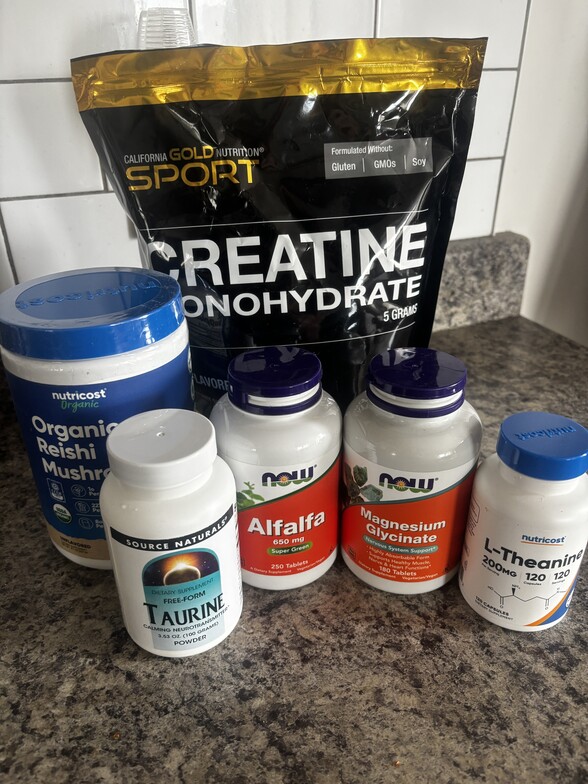
Walk into almost any health food store or pharmacy and you’ll find shelves filled with vitamins, minerals, amino acids, protein powders, medicinal mushrooms and other nutritional supplements. At the same time, more people are becoming interested in Traditional Chinese herbal medicine and wondering how it differs from the supplements they may already be taking.
Both can be valuable tools for supporting health, but nutritional supplements and Traditional Chinese herbal medicine are not quite the same thing.
At Alcove Acupuncture in South Granville, Vancouver, nutritional supplements and Chinese herbal medicine may be recommended individually or integrated with acupuncture, dietary guidance and lifestyle recommendations as part of a personalized treatment plan.
Understanding the difference can help you make more informed decisions about what you’re taking—and, importantly, why you’re taking it.
What Are Nutritional Supplements?
Nutritional supplements are generally used to provide specific nutrients or naturally occurring compounds that may be beneficial based on your diet, lifestyle, symptoms, health history or individual nutritional needs.
These can include:
- Vitamins and minerals
- Magnesium
- Iron
- Vitamin D
- B vitamins
- Omega-3 fatty acids
- Amino acids
- Creatine
- L-theanine
- Coenzyme Q10
- Medicinal mushrooms
- Other targeted nutritional compounds
Sometimes supplementation is straightforward. A confirmed nutritional deficiency, dietary restriction or increased nutritional requirement may indicate a need for a particular nutrient.
In other situations, supplements may be considered as part of a broader wellness plan—for example, to support sleep, energy, stress management or nutritional intake.
The important distinction is that nutritional supplements generally provide a specific nutrient or compound for a defined purpose.
This can make supplementation highly targeted, but it also means that taking more supplements is not necessarily better.
More Supplements Aren’t Always More Support
It’s increasingly common for people to arrive at their first appointment with a long list of supplements.
Perhaps one was recommended by a friend, another appeared in a podcast, a third was suggested on social media, and several others were purchased to address individual symptoms.
Before long, it can become difficult to remember exactly why each supplement was started.
That’s why part of an individualized approach involves looking at the bigger picture.
What are you currently taking? Why did you start taking it? What dose are you using? Is there duplication between products? Does it still make sense for your current health goals?
The goal of supplementation should not simply be to take more. It should be to use nutritional support thoughtfully and purposefully.
How Is Traditional Chinese Herbal Medicine Different?
Traditional Chinese herbal medicine works from a different clinical framework.
Rather than simply asking, “What herb is used for this symptom?”, Chinese medicine asks a broader question:
“What pattern may be contributing to this particular person’s symptoms?”
This distinction is fundamental to Traditional Chinese Medicine (TCM).
Two people can walk into the clinic with the same primary complaint—such as insomnia, painful periods, digestive discomfort or fatigue—and receive very different herbal recommendations.
Why?
Because although the symptom may be the same, the underlying TCM pattern may be different.
Chinese Herbal Medicine Treats Patterns, Not Just Individual Symptoms
Traditional Chinese Medicine looks at how symptoms relate to one another.
For example, when assessing someone experiencing insomnia, we may also consider:
- Is it difficult to fall asleep, or is the problem staying asleep?
- What time do you tend to wake?
- Are you restless, anxious or mentally overactive at night?
- Do you experience night sweats or feel unusually warm?
- Are your hands and feet cold?
- Do you have vivid dreams?
- How is your energy during the day?
- How is your digestion and appetite?
- Are there menstrual or hormonal changes occurring?
- What does your tongue look like?
- What qualities are present in your pulse?
From a TCM perspective, these details help differentiate one pattern from another.
This is why two people experiencing insomnia may receive completely different Chinese herbal formulas.
The same principle can apply to menstrual concerns, digestive symptoms, stress, fatigue, headaches and many of the other reasons people seek Chinese medicine.
What Is a Chinese Herbal Formula?
Traditional Chinese herbal medicine is also different from simply taking a single herb.
Chinese herbal prescriptions typically contain multiple herbs carefully combined into a formula.
Each herb has particular properties and functions within the traditional Chinese medical system, and herbs are selected to complement and balance one another.
A classical formula may provide the foundation of treatment and then be modified according to the individual presentation. Herbs may be added, removed or adjusted as symptoms and patterns change.
This creates an important distinction between buying an individual herbal product for a symptom and receiving a customized Chinese herbal formula based on a TCM diagnosis.
Your formula is not necessarily static, either.
As your symptoms change, your digestion improves, your sleep becomes more consistent, your menstrual cycle changes or the underlying pattern begins to shift, the herbal strategy may also change.
The Role of Tongue and Pulse Diagnosis
If you’ve had acupuncture before, you may have wondered why your practitioner asks to see your tongue or spends time feeling your pulse.
Tongue and pulse diagnosis are traditional components of Chinese medicine assessment.
The colour, shape, moisture and coating of the tongue can provide additional information within the TCM diagnostic framework. Pulse diagnosis evaluates qualities of the pulse that are interpreted alongside your symptoms, health history and other clinical findings.
Neither exists in isolation.
Instead, these observations contribute to the larger pattern differentiation that helps guide acupuncture and Chinese herbal medicine recommendations.
Can Nutritional Supplements and Chinese Herbal Medicine Be Used Together?
Yes. They are different therapeutic approaches, but they do not necessarily have to be separate.
At Alcove, your treatment plan may incorporate acupuncture, Chinese herbal medicine, nutritional supplements, dietary recommendations and lifestyle support, depending on your individual needs.
For example, nutritional supplementation might be used to address a specific nutritional consideration while Chinese herbal medicine is selected according to your broader TCM pattern.
Acupuncture may then form another component of the overall treatment strategy.
The important part is that each recommendation has a reason for being there.
Rather than accumulating separate treatments for separate symptoms, the aim is to create a coherent and individualized plan.
Why Individualized Recommendations Matter
There is an enormous amount of health information available online.
That access can be empowering, but it can also make wellness unnecessarily complicated.
A supplement that is helpful for one person may not be necessary for another. Similarly, an herbal formula that is appropriate for one pattern of insomnia, menstrual discomfort or digestive disturbance may not be appropriate for another person experiencing seemingly similar symptoms.
Your age, diet, medications, health history, current symptoms and treatment goals can all influence what may be appropriate.
This is particularly important with Chinese herbal medicine because herbal formulas contain therapeutically active substances. Herbal products and supplements may also interact with medications or may not be appropriate during pregnancy or with certain medical conditions.
This is why professional assessment matters.
A Whole-Person Approach at Alcove Acupuncture
Traditional Chinese Medicine has always been interested in relationships between symptoms rather than viewing every complaint as an isolated event.
Your sleep can affect your energy. Stress can influence digestion. Pain can interfere with sleep. Menstrual or hormonal changes can influence mood, temperature, appetite and energy.
When you come to Alcove, we take time to explore those connections.
Your initial consultation may include discussion of your:
- Primary health concerns
- Medical and health history
- Current medications and supplements
- Sleep
- Energy
- Digestion and appetite
- Stress and emotional well-being
- Menstrual and reproductive health, when relevant
- Pain and physical symptoms
- Lifestyle and nutrition
- Tongue and pulse findings
From there, we can begin developing a treatment plan based on your individual presentation and goals.
So, Which One Do You Need?
The answer may be nutritional supplements, Chinese herbal medicine, both—or neither.
The purpose of an initial consultation is not to automatically put you on a long list of products.
It is to understand what is happening, identify your priorities and determine which therapeutic approaches make sense for you.
Sometimes a targeted nutritional supplement may be appropriate. Sometimes a customized Chinese herbal formula provides a better fit within the treatment strategy. Sometimes acupuncture and lifestyle recommendations may be the primary focus.
And as your health changes, your treatment plan can change with you.
Ultimately, it isn’t about taking more.
It’s about understanding what you’re taking, why you’re taking it, how it fits into the larger clinical picture, and whether it makes sense for your body.
Book an Initial Consultation at Alcove Acupuncture
If you’re curious about Chinese herbal medicine, nutritional supplements or acupuncture in Vancouver, an initial consultation is an opportunity to discuss your health concerns, current medications and supplements, lifestyle and individual treatment goals.
Together, we can determine whether acupuncture, nutritional supplements, Traditional Chinese herbal medicine, dietary and lifestyle recommendations—or a thoughtful combination—may be appropriate as part of your individualized treatment plan.
Alcove Acupuncture
South Granville, Vancouver, BC
Book an Initial Consultation and discover a more individualized approach to your health.

Tessa Neilson
Contact Me